Over the past decade, Lithuania has emerged as a dynamic force in Europe’s green and digital transformations. This small, ambitious country, located at a strategic crossroads, is leveraging a strong IT sector and a deep commitment to renewable energy to modernize its economy while staying focused on sustainability.
Lithuania’s green journey is deeply tied to its quest for energy independence. In 2022, the nation made a historic shift, becoming the first EU country to fully stop importing Russian gas. It turned instead to its own Klaipėda LNG terminal and new interconnections with European neighbors. The government has set ambitious goals: to generate 70% of electricity from renewables by 2030 and to achieve climate neutrality by 2050. Solar and wind power are leading this effort, with a notable success being the community-based solar park model, which allows households to «own» a part of a remote solar farm. This innovative approach has democratized access to clean energy and built public trust in the transition.

Parallel to its green efforts, Lithuania’s digital sector has become one of the fastest growing in the region. The country consistently ranks high in digital competitiveness, thanks to a thriving fintech ecosystem and high digital literacy. The capital city of Vilnius has become home to hundreds of fintech companies, with the sector serving millions of EU customers. The COVID-19 pandemic accelerated this shift, with public services rapidly moving online, making Lithuania a leader in e-government adoption. While challenges like the rural-urban digital divide and cybersecurity persist, strengthening digital resilience remains a top national priority.

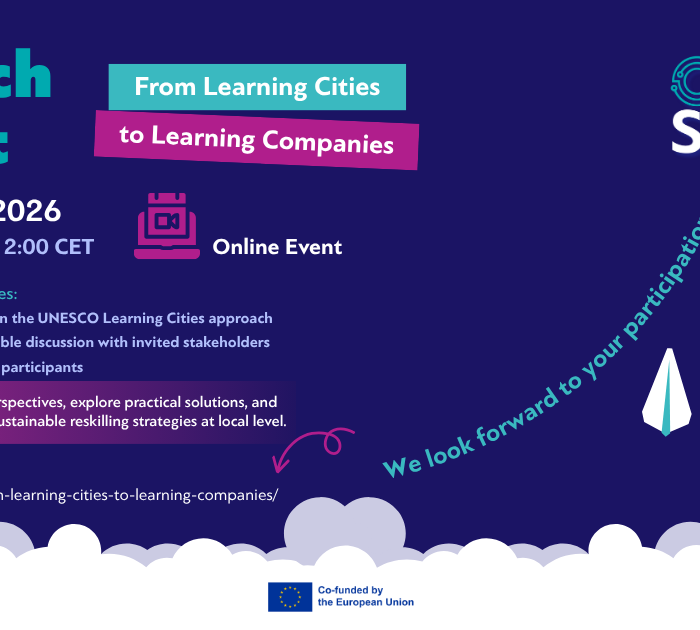
What makes Lithuania’s path especially interesting is the powerful intersection of its green and digital transitions. Smart technologies are key to improving energy efficiency, from AI-powered grids to digital platforms that help consumers monitor and reduce their carbon footprint. This convergence creates fertile ground for another crucial element: lifelong learning. A new project to create a «Learning Companies» network, inspired by UNESCO’s «Learning Cities,» aims to mobilize organizations across all sectors to promote continuous and inclusive training.
This approach ensures the benefits of these transformations are widely shared. It empowers workers to reskill for renewable energy jobs and helps small businesses confidently adopt digital solutions, making learning the vital link that connects green ambition with digital innovation.
Lithuania’s journey is a powerful story of resilience and reinvention. By combining bold climate goals, a dynamic digital ecosystem, and a strong commitment to lifelong learning, the nation is proving that small countries can have an outsized impact on Europe’s sustainable future.
This approach is at the very heart of the COOPSKILLS project. Our mission is to translate this national ambition into local action by creating a «Learning Companies» network. We believe that businesses, government, and communities must work together as learning-driven partners. Through COOPSKILLS: Reskill. Rethink. Rebuild., we are helping to build a future where innovation, sustainability, and lifelong learning are not just parallel paths, they are strongest when pursued together.
References
- (2022). Lithuania becomes first EU country to stop Russian gas imports.
- (2024). Lithuania’s first biennial transparency report.
- (2025). Lithuania 2025 – Energy Policy Review.
- Invest Lithuania. (2025). The Fintech Landscape in Lithuania.
- Finmin Lithuania. (2023). Fintech Strategy of Lithuania 2023–2028.
- Invest Lithuania. (2022). The Fintech Landscape in Lithuania 2021–2022.
- (2025). Okunevičiūtė Neverauskienė, L. An assessment of Lithuania’s FinTech sector.
- (2025). Smart manufacturing and digital transformation in Lithuania.